
 EN
EN  ES
ES PT
PTSeven months of the EU’s CBAM: what is the cost of not tracking emissions?
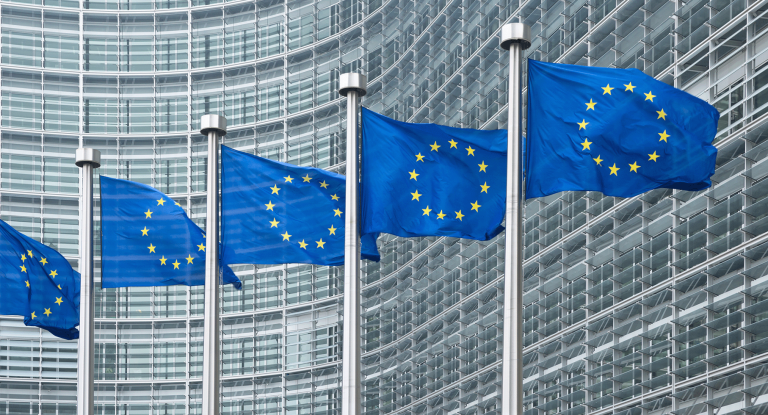
The European Union’s (EU) Carbon Border Adjustment Mechanism (CBAM) is a carbon border tax mechanism for products exported to the bloc. Its goal is to align the carbon price of imports into the EU with the price that would be paid if they were produced within the EU and, consequently, subject to the Emissions Trading System (ETS).
Which sectors are regulated by the CBAM?
The CBAM took effect on October 1, 2023, during a transitional phase focused on reporting embedded emissions, without a financial obligation to purchase allowances. As of January 1, 2026, the mechanism moved to its definitive phase, under which European importers must purchase CBAM allowances to cover the embedded emissions in imported goods in the following sectors:
- Iron and Steel: This includes everything from processed iron ore and semi-finished products to pipes, rails, and structures.
- Aluminum: Covers unalloyed aluminum, aluminum alloys, and derived products (wires, sheets, foils, tubes).
- Cement: Including clinker, aluminous cement, Portland cement, and hydraulic cements.
- Fertilizers: Focused on ammonia, nitric acid, fertilizer blends, urea, and nitrates.
- Electricity: Electricity imported directly via grid connections with countries outside the bloc.
- Hydrogen: Included in the direct technical scope list.
“When an exporter does not provide its own auditable and verifiable data, the regulation provides for the use of values predefined by the European Commission, which can increase the emissions attributed to the product and directly impact its final cost,” explains Rafael Della Barba, Decarbonization Coordinator at WayCarbon. To avoid this problem, exporters must monitor, calculate, and report their embedded emissions, following the methodology defined by the regulation.
With the imminent launch of the Brazilian Emissions Trading System (SBCE), which establishes obligations for measuring and reporting emissions for sectors of the domestic industry, companies that already structure their data reliably tend to lead the market, making the CBAM even more strategic at this time.
“The first seven months reinforce an important lesson for exporters: preparing to decarbonize goes beyond regulatory compliance and becomes part of the business strategy. Understanding emissions, costs, and maturity allows companies to make clearer decisions and better position themselves in more demanding markets. Those who start sooner will likely have greater adaptability and leadership,” says the expert.
How does the EU’s CBAM work?
European companies that decide to import from countries outside the EU must purchase CBAM certificates to cover the embedded emissions in the imported goods. Since the mechanism will initially operate in conjunction with the ETS, the price of these certificates will be the average of the closing prices from all EU ETS allowance auctions held each week.
Importers, in turn, will have to purchase enough certificates to reflect the carbon tax they would pay if the goods purchased had been produced in the European Union, in accordance with current carbon pricing rules. The most recent figures published by the European Commission regarding CBAM allowances were: €75.36/tCO₂ for the first quarter of 2026 and €75.28/tCO₂ for the second quarter.
Updates
The EU’s proposal to expand the carbon tax to more products is moving forward in the bloc’s legislative process, according to Reset. The measure was approved by the European Parliament’s Environment Committee on July 7 as part of the reform proposed by the European Commission in December 2025, but it still needs to be approved by the plenary before proceeding to final negotiations with the Council of the EU and the European Commission.
How can WayCarbon help?
With two decades of experience in the climate agenda, WayCarbon provides comprehensive advisory and technological support to help companies comply with the CBAM, from emissions mapping to carbon pricing, including competitive analysis and the development of decarbonization strategies.
Talk to our experts and discover how to enhance the strategic value of your decarbonization agenda.