 EN
EN  ES
ES PT
PTHow Can Technology Reduce the Operational Burden of the ESG Agenda?

A decade ago, sustainability reports were annual surveys with a purely retrospective focus, compiled using spreadsheets and requiring significant operational effort. With the evolution of technological systems, emissions reports and inventories have become dynamic management tools capable of identifying gaps and opportunities for process improvement.
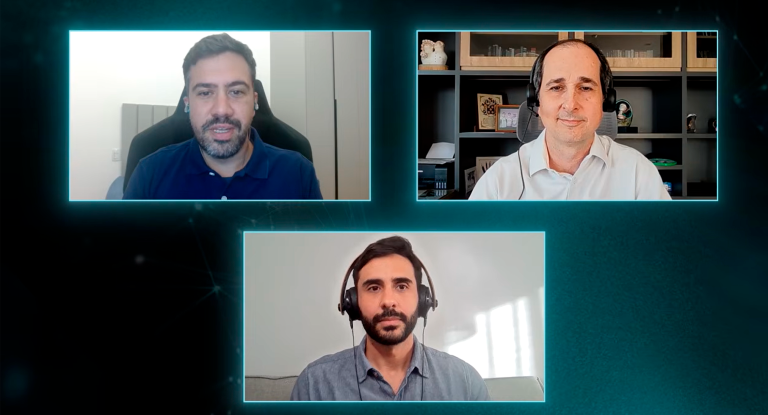
“Previously, clients came to us looking to understand how to calculate emissions. Now, they seek to understand how to integrate these emissions into their corporate strategy,” explains Beatriz Reis, Customer Success Manager at WayCarbon.
Building on this progress, the rapid development of generative artificial intelligence has brought greater processing capacity for high volumes of data. “Our clients include large companies that have a vast amount of data to process. The process of validating data, reporting, and undergoing audits would be unfeasible without the support of technology,” adds João Freitas, the company’s Head of Technology.
The two leaders were guests on the most recent episode of WayCarbon Talks, a videocast hosted by Lauro Marins, Head of Consulting and Digital Solutions at WayCarbon, which addresses technology, business, and the evolution of Ecosystem: the company’s climate and ESG management platform.
Check out the key insights from the episode below:
AI beyond the hype
In the context of the discussion on technology, the experts explained that adopting generative artificial intelligence is not, in and of itself, a competitive advantage. What determines its impact is the ability to apply it with purpose, specialized knowledge, and an understanding of the context in which it will be used.
The value of the team behind the technology
The guests also emphasized the role of human guidance in applying this type of tool. “The agent acts as a co-pilot, processing information, but people remain at the center of decision-making. Currently, sustainability-related information is auditable, presented to senior management, and involves financial decisions. Therefore, the role of those responsible for this information is of utmost importance,” says João Freitas.
Furthermore, the expertise of the teams responsible for developing the solution and providing user support is a critical factor. “When we talk about the company providing the AI solution in our field, if it doesn’t have a team with solid knowledge of sustainability and climate change behind it, the system will be more prone to producing so-called ‘hallucinations,’ for example,” notes Beatriz Reis.
The new version of Ecosystem
With two decades of consulting expertise in the ESG agenda, WayCarbon began using native AI in the Ecosystem platform not only because it is a market trend, but to address real customer pain points. As part of this goal, the new version offers improvements in the consistency of reported information and a reduction in operational efforts.
“Data is the foundation for AI tools, and WayCarbon already had high-quality data accumulated over its 20 years in the market, as well as a specialized team to validate the information. This combination provides a solid foundation for our technology system,” explains Freitas.
In addition to native AI, in the new version of the software, the five modules (Emissions Management, Climate Risk Management, ESG Indicators Management, Suppliers ESG Management, and Reporting Management) are more closely integrated, streamlining information management and the completion of reports.
The new offering also enables simplified integration with external software via API and features enhancements in audit-level traceability, improving verification and assurance processes.
Full episode available on YouTube (audio in Portuguese, enable English subtitles).
See these new features in action. Schedule a demo with our experts.